
Meditations
“THE COST WE SPOKE, THE LIFE GOD REQUIRES”
(When vows fade, obedience reveals the true surrender God seeks)
As I was meditating on the lives recorded in the Bible, my heart was drawn not to the victories of men but to the cost behind their obedience. We often read the Bible admiring heroes of faith, yet rarely do we pause long enough to feel the weight of what their obedience demanded. In that place of reflection, my thoughts rested on Jephthah, not so much on his battle, not even on his vow, but on what followed after the victory. What stirred my spirit deeply was not only the faith of a father who spoke before the Lord, but the obedience of a daughter who bore the weight of words she never spoke.
We remember Jephthah as one among the heroes of faith. His name stands in the lineage of those who trusted God for victory. We speak of his courage, his leadership, and his costly follow-through. But seldom do we linger where the story becomes most piercing: on the obedience of his daughter. She did not stand before God and make the vow. She did not ask for the promise. She had no part in the words that left her father’s lips. Yet when the consequence of that vow fell upon her life, she did not resist the will of God tied to her father’s obedience. Instead, she submitted herself and said,
“My father, if you have given your word to the Lord, do to me according to what has gone out of your mouth” (Judges 11:36).
There is something deeply spiritual here that cannot be overlooked. We celebrate the father’s faith, but we rarely speak of the daughter’s surrender. We remember the vow, but we do not always honour the obedience that upheld it. Without her submission, his vow would have remained incomplete. Without her surrender, his faith would have faltered under the weight of human emotion.
This reveals a truth that searches the heart.
Obedience is not always confined to the one who speaks the vow. Sometimes obedience is lived out by those who never spoke but still chose to yield to God’s will.
Her life reminds us that true surrender is not ownership-based but God-centered. She did not ask whether it was fair, whether it was her responsibility, or whether it aligned with her personal future. She recognized that honouring God stood above preserving self.
As I reflected on this, the Spirit turned the light inward. It is easy to study their obedience; it is harder to examine our own. Jephthah’s account is not preserved so we can analyse ancient vows but so we can confront present hearts. Many of us have spoken words before the Lord: words born in pain, desperation, fear, gratitude, or crisis. In hospital corridors, we promised surrender. In financial distress, we pledged faithfulness. In prayer nights and altar moments, we told God, “If You bring me through this, my life is Yours.” Yet when the storm passed and relief came, so did forgetfulness.
We carry a history of vows made in intensity but abandoned in comfort. We remember what God did, but we forget what we said. The danger is not emotional expression before God.He welcomes broken cries. The danger is treating sacred words lightly once the urgency fades. Scripture warns that it is better not to vow than to vow and not fulfil. God listens when we speak,not only to our polished prayers but to our desperate whispers.
We say we will serve God anywhere but struggle to forgive someone nearby. We speak of dedication yet hold tightly to pride, hidden sin, personal ambition, or control. There are seasons when obedience feels heavy, lonely, and misunderstood. Sometimes it feels like loss when God asks us to lay down relationships, dreams, recognition, or personal plans. We may feel unable to move forward because we sense what surrender will require. Yet this weight is not meant to crush us but to consecrate us. What costs us deeply often refines us eternally.
Vows are spoken in moments; obedience is proven in lifestyle. A vow may rise from passion, but obedience is sustained through surrender.
God is not moved by what we promise to do for Him; He is moved by our willingness to yield to what He asks of us daily. This is where the call to self-examination becomes unavoidable. What have we vowed before the Lord that remains unattended? What surrender did we promise that we quietly reclaimed? What obedience did we postpone because the cost felt heavier than expected? These questions are not meant to push us into condemnation but into awakening. For neglected surrender dulls spiritual sensitivity and weakens the fire of consecration. Yet even in this conviction, grace speaks gently. God is not standing over us demanding repayment of every emotional promise. He is not seeking vows as much as He is seeking lives. He is not asking us to relive every word spoken in pain. He is calling us to walk in present obedience.
When we look to Christ, we see obedience in its purest form, not a vow spoken, but a will surrendered. In Gethsemane, He did not offer God promises, He offered Himself. “Not My will, but Yours be done.” His obedience carried a cost, through it came salvation for us all.
So the Spirit calls us now, not to make new vows in emotional fervour, but to return in honest repentance. To say, “Lord, forgive me for words I spoke lightly. Forgive me for promises I made in pain but abandoned in comfort. Forgive me for every place my devotion was louder than my obedience. Cleanse my heart from empty vows.”
And then, beyond forgiveness, comes ignition. A fresh fire not to speak more but to yield more. Not to promise more but to obey more. The question is no longer what we have vowed, but what God is asking of our lives now.
*For in the end, God is not asking for your vows. He is asking for your life: lived in obedience to His will.*
_ Blessings ♥️
— Melody Joseph 15-02-2026
Living Out the Fruits of the Spirit: A Call to Inner Transformation
We are all familiar with the fruits of the Holy Spirit – love, joy, peace, patience, kindness, goodness, faithfulness, gentleness, and self-control (Galatians 5:22-23). These are not just beautiful words or ideals to admire; they are the visible evidence of God’s presence, power, and transformation within us.
Each fruit serves a divine purpose:
* Love teaches us to care unconditionally.
* Joy sustains us even in hardship.*
* Peace anchors us in chaos.*
* Patience stretches us to grow.*
* Kindness reminds us to reflect God’s heart.*
* Goodness draws us to righteousness.*
* Faithfulness helps us endure and remain loyal to God and others.
* Gentleness softens even the hardest of moments.*
* And self-control… often the most difficult, yet perhaps one of the most vital.*
Self-control is the gatekeeper of the other fruits. Without it, love becomes impulsive, peace is disturbed, patience snaps, and gentleness is lost in reaction. It’s one of the hardest to live out consistently, because it demands that we deny the flesh, manage our emotions, and remain rooted in the Spirit especially when we’re hurt or provoked.
The truth is, we all have weaknesses. Emotional wounds, past traumas, and inner struggles shape how we respond to the world. Sometimes, we react not because we’re unloving or unkind, but because we’re hurting. Yet, people often see only the reaction, not the root. *Instead of seeking to understand or help us heal the cause, they highlight our flaws.* They rarely ask, “What’s hurting you?” or offer assurance that they won’t repeat the behavior that caused the reaction. The focus becomes our weakness rather than the healing of the wound. But God sees deeper.
Yes, we may feel guilt or sorrow for where we fall short. We may strive for peace, only to find ourselves in conflict. Often, we end up in pain not because we seek it but because of how deeply we feel, love, and care.
This is why true transformation begins inwardly. Not by blaming others or hoping they will change, but by allowing God to work within us. People and circumstances may stay the same. But we don’t have to. We can surrender our triggers, our wounds, and our reactions to God and in return, He gives us His Spirit, His strength, and His fruits.
So, focus on your relationship with God. Be intentional. Stay connected. Let the Word shape your thinking, and the Spirit shape your heart. Don’t let others define your walk with God based on your moments of weakness. Instead, let those moments pull you deeper into His grace.
*You are growing. You are being refined. And the fruits of the Spirit will begin to blossom not all at once, and not perfectly but progressively, as a beautiful sign of God’s ongoing work in your life.*
*Be strong. Be faithful. And above all, stay connected to the One who can truly transform your life from the inside out.*
*Blessings*♥
*Suzan Joseph* 14-Jul-2025
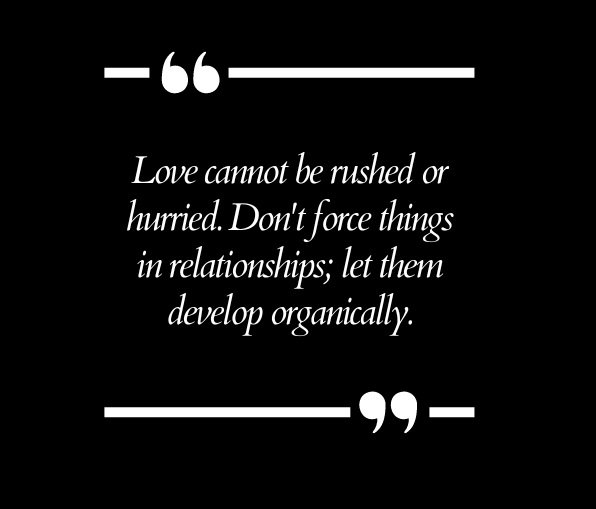
Love Can’t Be Rushed: A Journey from Longing to Trust
A Reflection on Song of Solomon 3:5
“I charge you, O daughters of Jerusalem, by the gazelles and by the does of the field, that you not stir up or awaken love until it pleases.” – Song of Solomon 3:5
You fall in love. Or you think you do. Your heart races at the sound of a text. You stay up late imagining what could be. You invest your time, your hope, your energy. And then just like that it slows. It slips. It ends. Or maybe, worse, it never even begins the way you dreamed.
There’s this ache in your chest. You wonder if you weren’t enough, or if they just didn’t see you.
You think, Why didn’t it happen? We try to make love work, to hold on when it’s fading, to stir it back to life when it grows cold.
But love doesn’t work that way. You can’t force it. You can’t make someone love you back. And when you try you lose a little of yourself in the process.
At first glance of the verse, it seems poetic and distant. But look closer this is a cry from someone who has tasted the intensity of desire and learned the wisdom of waiting. Gazelles and does are wild, graceful creatures easily startled, quick to flee. You can’t chase them or command them to stay.
Most of us enter the world of faith the same way we enter romance: full of passion, hunger, and hope. We want to feel God. We want spiritual fire. We want peace, joy, intimacy with the Divine.
But what happens when we don’t feel anything?
*What about the seasons when God seems distant, when prayer feels dry, when church doesn’t move us?*
We try harder. We strive. We stir up worship. We force prayer. We chase the emotional high.
But it doesn’t work. And the more we strive, the emptier we feel. At this times God is not absent; He’s just not always loud. His presence comes like the dawn slow, sure, and entirely on His own terms. And when we stop trying to force a moment and start trusting in His timing, something quiet and powerful happens: we begin to rest. To trust. To grow.
That’s when Song of Solomon 3:5 whispers gently to our weary souls:
“Do not awaken love until it pleases.”
It’s not a warning against love it’s a reverence for it. It’s the wisdom of someone who knows that the right kind of love, the kind that is mutual, holy, and true can’t be rushed. Whether you’re waiting for a relationship, healing, or a sense of God’s nearness, this verse is a call to trust the process.
*Maybe you’re waiting right now.*
*Waiting to be seen.*
*Waiting to be chosen.*
*Waiting to feel God’s nearness again.*
*Waiting for your heart to be whole.*
Let this verse be a comfort, not a command.
God’s love is not on a clock. It doesn’t come when you earn it. It comes when you’re ready to receive it.
*Your story isn’t delayed.*
*Your heart is being prepared.*
*And the love you long for whether human or divine is not gone. It’s just not ready to be awakened yet.*
Maybe you’ve spent the last six months waiting, aching, wondering. As this new month begins, give the next six not to striving, but to faith. Trust that what is meant for you will awaken right on time.
*Blessings♥*
Suzan Joseph
01-07-2025

Living Out the Call in a World of Ungodliness: Insights from the Book of Jude
If we meditate on the book of Jude, though short, holds deep and powerful lessons. Jude addresses the issue of ungodliness and gives us a clear picture of how God will judge those who live in defiance of His ways. But what stands out is how little Jude speaks about the ways how the beloved children of God should be in the midst of a fallen world compared to the ungodly. These instructions aren’t just rules to follow, but pathways that lead us into a deeper relationship with God and to eternal life.
Three Key Instructions for Believers
“Build yourselves up in your most holy faith.”
This first instruction reminds us to keep our faith strong, especially when we feel low, discouraged, or tempted to give in to the pressures of this world. Faith isn’t just something we have; it’s something we nurture and grow. When we hold on to our faith in God, even in difficult seasons, we are anchored in His promises and strength.
“Pray in the Holy Spirit.”
Praying in the Spirit is not about using our own thoughts and words, but surrendering ourselves to the will of God. It’s about aligning our prayers with what God desires, not merely what we think we need. When we pray in the Spirit, we tap into God’s heart, allowing His will to shape our lives and decisions. It’s not about having all the right words but being open to God’s leading.
“Keep yourselves in the love of God.”
To keep ourselves in God’s love means we are constantly aware of His affection for us. We don’t just visit God’s love when we’re in trouble or feeling blessed; we abide in it. Jude calls us to remember that there is no love more pure or more unconditional than the love of our Heavenly Father. This love should be the center of our lives, and when we keep ourselves in His love, we are reminded that we are always cherished, no matter who we are or what we’ve done.
One powerful character that we as children of God should possess is “hating even the garment stained by the flesh.” This speaks to the importance of staying pure. we are called to be vigilant in guarding our hearts and minds. The small stains of the world : whether it’s sin, compromise, or distractions can easily pollute our souls. We must be quick to identify these stains and wash them clean with the blood of Jesus.
Think about it this way: when you buy a new shirt, you’re careful not to let anything spill on it or stain it. If a stain does appear, you immediately take action to clean it. Likewise, we should treat our spiritual lives with the same care. Identify the small stains the things that compromise our walk with God and wash them away. Jesus’ blood is powerful enough to cleanse us, making us pure and new, just like a freshly washed garment.
In a world full of distractions and temptations, it’s easy to lose sight of the simplicity of the Christian life. But the message of Jude is clear: hold on to your faith, pray in the Spirit, and keep yourself in God’s love. These three practices will keep you grounded in your relationship with God, no matter how dark or ungodly the world around you becomes.
The challenge is to recognize the stains of the world, be merciful to those around us, and keep our hearts focused on the One who loves us more than anyone else ever could. By doing so, we maintain the purity of our hearts, stay close to God, and live in a way that reflects His glory, pointing others to the hope of eternal life.
Blessings♥
Suzan Joseph
16.05.2025

What Does It Really Mean to Walk with God?
“For many, of whom I have often told you and now tell you even with tears, walk as enemies of the cross of Christ.”
– Philippians 3:18 (ESV)
We often hear the phrase “walk with God,” but when life gets messy, schedules get busy, and temptations creep in, it’s fair to stop and ask—what does that actually look like? Is it about praying more, reading the Bible, or making it to church every Sunday? Are those habits enough to say, “Yes, I’m walking with God”?
Paul gives us a sobering warning in Philippians 3:18. With tears, he speaks of those who walk as enemies of the cross of Christ. This isn’t about unbelievers rejecting the gospel outright—but rather about those who claim Christ, yet live in contradiction to what the cross represents: humility, surrender, sacrifice, and new life. It’s a call to examine the way we walk to ask not just if we believe, but how we live that belief.
The truth is, spiritual routines are good foundational, even. They shape our minds and open our hearts. But walking with God goes deeper than habits. It’s not just about what we do with our time, but about how we live with Him in the middle of our everyday lives. It’s about relationship, not routine.
You can pray regularly and still live disconnected from God’s presence. You can read Scripture daily but not allow it to change you. You can even be active in church and ministry, and yet be walking in your own strength, fueled by performance instead of communion. The danger is subtle: when we start to measure closeness with God by how busy we are “for” Him rather than how surrendered we are “to” Him.
Real walking with God happens in the small, unfiltered moments. It’s in how we respond when we’re irritated. It’s the way we talk to the person who can’t offer us anything in return. It’s how quickly we forgive, how willing we are to repent, and how often we come back to Him—not just when things go wrong, but because we miss His nearness.
In our daily routines, we’re constantly bombarded with distractions, temptations, and spiritual noise. Even with a sincere heart, we can get pulled into chaos. And that’s where carrying God’s heart becomes so important. To walk with God isn’t just about having Him in our schedule—it’s about having Him in our spirit. When we carry His heart, we begin to see life differently. We care about what He cares about. We feel what He feels—for the lost, the broken, the overlooked. His priorities become ours, and His values start shaping our responses.
That kind of walk doesn’t mean you won’t stumble. It just means you know who to run to when you do. It’s not about perfection, but about pursuit. When the world around you shakes, when your emotions flare up, or when temptation knocks at your door—your strength isn’t in resisting by your own willpower, but in staying connected to the One who empowers you.
It’s also worth saying that being used by God—through gifts, talents, or ministry—isn’t the same as walking with Him. You can prophesy, sing, preach, or lead… and still not be close to God’s heart. Gifts are given freely by grace, but the fruit of the Spirit is grown through intimacy. You might impress people with your gifting, but it’s your character that shows how deeply you walk with Him. God can speak through anyone—but He walks closely with those who choose to stay close, even in silence.
So what does it mean to walk with God? It means you live with Him, not just for Him. You don’t just invite Him into your Sunday—you invite Him into your attitude at work, your quiet moments in the car, your thoughts when no one else is around. You stop striving to appear spiritual and start longing to be real with Him. You trade performance for presence.
And maybe that’s the quiet question we all need to ask ourselves from time to time:
Am I truly walking with God—or am I, without realizing it, walking as an enemy of the cross?
Because in the end, the goal isn’t just to do more for God. It’s to know Him, to reflect Him, and to carry His heart—wherever we go, and whatever the day holds. The cross calls us to a surrendered life. A life that walks in step with Christ, not just in words, but in posture and purpose.
Let’s not just be near the idea of God. Let’s walk with Him—truly, daily, and wholeheartedly.
Blessings ♥,
Suzan Joseph
06.05.2025
A Prayer of Thanksgiving Amidst Troubles
“But I will sacrifice to you with the voice of thanksgiving, and I will pay what I have vowed” (Jonah 2:9).
In the depths of the fish’s belly, Jonah lifts his voice in a prayer of thanksgiving. Despite being surrounded by darkness, Jonah doesn’t know what will come next—whether he will survive or remain trapped in the fish’s belly. Still, he chooses to praise God. This moment is a powerful display of faith and gratitude in the midst of distress.
Jonah’s response reminds us that even in our most difficult and uncertain circumstances, we are called to give thanks to God. It’s easy to offer praise when things are going well, but true worship is revealed when we can thank God even when we don’t understand why we’re in the dark or how things will turn out. Jonah, in his moment of trial, gives us an example of the heart that God desires: one that remains steadfast, even in the belly of a fish, and continues to trust in God’s goodness.
The Test of Vows and Obedience
When we make promises to God, there comes a time when those vows are tested. It’s not enough to make a vow in a moment of conviction; God wants to see if we will keep our word when the road gets tough. Jonah’s experience shows us that God tests our integrity to see if we will follow through on what we’ve promised, even when we are in dark, difficult places.
In these times, we are called to demonstrate our obedience and willingness to fulfill our commitments to God. Are we willing to honor the vows we’ve made to Him? Do we still offer Him thanks even when it feels like we’re in the belly of our own fish? It’s in these moments, when the storm is raging or the path is unclear, that our faith and obedience are truly tested.
Jonah’s time in the fish was not a punishment, but a test – a divine opportunity for growth. If God had intended for Jonah to perish, He would have allowed him to die in the storm or in the sea, but instead, God preserved Jonah’s life and gave him a second chance. Jonah’s experience serves as a powerful reminder that God uses the darkest moments in our lives to prepare us, teach us, and refine us.
We may feel surrounded by darkness at times, but those seasons are not meant to break us—they are meant to strengthen us. In these moments, God is shaping us to become more like Christ and equipping us to walk in His ways. God is in control, and He allows trials not as punishment, but as a way of building our character, making us stronger, and preparing us for the work He has for us in His Kingdom. As we face our own challenges, let us remember Jonah’s example. Let us be willing to sacrifice, give thanks, and honor our vows to God, knowing that He is in control. He is with us in our darkest moments, shaping us into the people He calls us to be. Through every trial, let us offer our hearts in thanksgiving, trusting that God’s purpose will prevail in our lives.
11.04.25
God will raise you up. Trust in His faithfulness
“Being confident of this, that he who began a good work in you will carry it on to completion until the day of Christ Jesus.” -Philippians 1:6
This verse encourages us to remember that if God started a good work in us, He will complete it. His timing may not always align with our expectations, but we can trust that He is always working, even in the unseen moment.
When we acknowledge God’s goodness in all areas of our lives, we invite His work into every corner of our hearts. But just because we start seeing God’s hand move doesn’t mean the journey will be without difficulty. There are times when life may seem dry or even overwhelming, when it feels like the promises of God are not being fulfilled. You might feel as though you’ve lost something important—whether it’s your joy, your health, lossing someone or even a dream and seems His is not in control. However, this is far from the truth. God’s control is not bound by our perception or understanding of circumstances. His plan is far greater, and He is always working behind the scenes to fulfill His purpose for our lives.
In such moments Cling to God’s Promises: He is Faithful. God’s promises never fail.
“God is not a man, that he should lie, nor a son of man, that he should change his mind. Does he speak and then not act? Does he promise and not fulfill?” . -Numbers 23:19
God is a promise keeper. If He has spoken something into your life, you can be certain that He will bring it to pass. When you feel that you are in a season of loss or dryness, remember to cling to His promises. Even in the most difficult times, God is working things together for your good. One of the most powerful aspects of God’s work in our lives is His ability to restore us. Whether we have fallen through failure, disappointment, or loss, God is the One who raises us up. He specializes in restoring what was broken, reviving what seemed lost, and making something beautiful out of our pain.His love never fails, and He will always bring back the joy that the enemy tries to steal. Keep holding onto His promises, and let His peace and joy fill your heart.
God takes the ashes of our brokenness and turns them into beauty. He is the one who brings joy instead of mourning and strength where we once felt weak. He will lift you up, even from the deepest losses, and position you to stand strong again, declaring His goodness.
God does not allow us to go through difficult seasons just for our own benefit. His ultimate purpose is to glorify His name through our lives. As we experience His goodness, His restoration, and His faithfulness, we become testimonies of His greatness. We stand as witnesses to His love, grace, and power. The places where we have experienced loss or failure become platforms for us to testify of His goodness and to encourage others with our stories.
Your testimony of God’s work in your life can bring hope and encouragement to others who are walking through similar struggles. Through your pain, God can be glorified, and others can be drawn to His love and faithfulness. Trust that He will bring you through the dry seasons, the losses, and the difficulties. He will fulfill His promises, and He will make you stand in places where you once felt defeated.
Let your faith rise up as you cling to His promises. Know that no matter what happens, God is with you. He who started the work in your life will certainly finish it, and He will make you stand to testify of His goodness and love. So, hold on to God’s promises, trust in His timing, and watch as He raises you up from every place of loss or defeat. You are not alone, and God’s best is ahead for you.
03.04.25